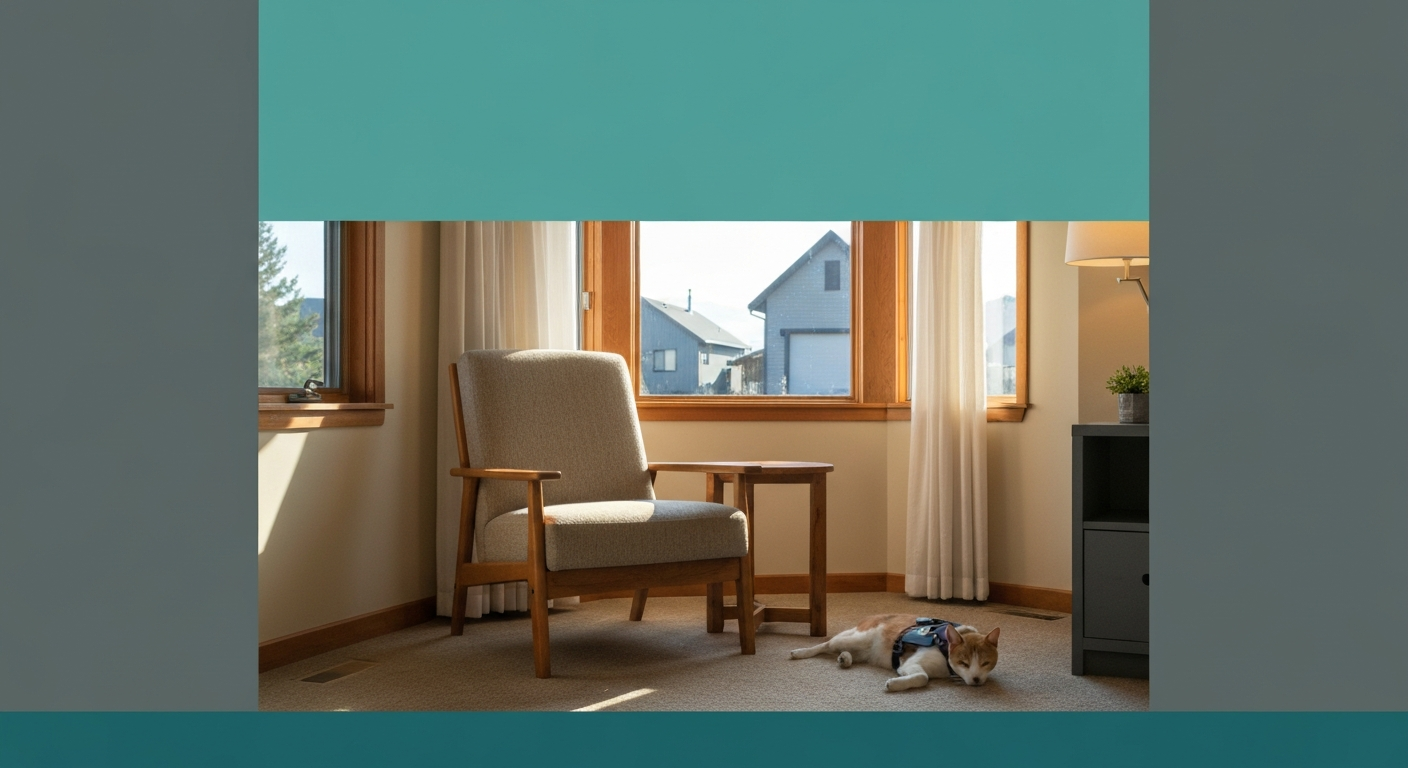
Best Emotional Support Animals for Alaska Apartments — A Clinician-Vetted Lineup
Alaska's vast wilderness, long winters, and geographic isolation create a unique emotional landscape for residents. Whether you're settled in an Anchorage high-rise, a Fairbanks duplex, or a smaller community apartment complex along the Kenai Peninsula, the psychological weight of seasonal darkness, extreme cold, and distance from extended family is well-documented in clinical literature. For many Alaskans, an emotional support animal (ESA) may offer meaningful therapeutic benefit — reducing anxiety, alleviating symptoms of depression, and providing the kind of consistent companionship that helps stabilize mood across those difficult interior months.
But choosing the right ESA for apartment living is not simply a matter of personal preference. Practical realities — square footage, noise ordinances, landlord policies, and Alaska's specific climate — all shape which animals are most likely to thrive in a residential setting and, by extension, most likely to deliver consistent therapeutic support. This clinician-vetted guide walks through the top options so you can have an informed conversation with a licensed mental health professional (LMHP) about what may be therapeutically appropriate for your individual situation.
One important note before we begin: under the federal Fair Housing Act, as clarified by HUD's landmark guidance document FHEO-2020-01 ("Assessing a Person's Request to Have an Animal as a Reasonable Accommodation Under the Fair Housing Act"), housing providers are required to consider reasonable accommodation requests for ESAs — including requests to waive no-pet policies or pet fees — when supported by a valid ESA letter from a licensed mental health professional. Your path to that protection starts with a genuine clinical evaluation, not an online registry or instant certificate. We'll cover the letter process toward the end of this article.
Disclaimer: This article is informational only and does not constitute medical, mental-health, or legal advice. Nothing here should be interpreted as a diagnosis or a guarantee of ESA eligibility. Every individual's situation is unique, and only a licensed mental health professional can determine whether an ESA is therapeutically appropriate for you. For housing disputes, consult an Alaska-licensed attorney or contact your local legal aid office for FHA enforcement guidance.
What Makes an ESA "Apartment-Friendly" in Alaska?
Before diving into the list, it helps to establish the criteria used to assess each animal. In the Alaska apartment context, a clinician-vetted ESA candidate should score well across several practical dimensions: size and space requirements (smaller living areas demand adaptable animals), noise profile (thin walls and close neighbors make quiet temperament a significant factor), cold-climate tolerance (even indoor animals are affected by Alaska's extreme temperatures during outdoor potty breaks or transfers), exercise needs (an animal with high daily exercise demands creates stress for apartment-dwellers during -30°F weeks), and allergen and hygiene considerations (shared hallways and common areas can amplify concerns for neighbors).
No animal scores perfectly across every dimension, and the right choice always depends on your mental health needs, lifestyle, and the specific therapeutic goals you and your clinician identify together. Use this list as a starting point for that conversation — not as a prescription.
The Clinician-Vetted Lineup
1. Dogs — The Gold Standard, With Important Breed Caveats
Dogs remain the most commonly recommended ESA in clinical practice, and for good reason. The human-canine bond is among the most extensively studied in the field of animal-assisted intervention. Dogs provide tactile comfort, routine structure (feeding and walk schedules help regulate circadian rhythm, which is particularly valuable during Alaska's months of near-total darkness or near-total daylight), and a form of social facilitation that can reduce isolation. For Alaskans managing anxiety, PTSD, depression, or mood dysregulation, many licensed clinicians find dogs to be a therapeutically strong option worth exploring.
In an apartment context, however, breed selection matters enormously. High-energy working breeds — think Siberian Huskies, Alaskan Malamutes, or Weimaraners — may seem like natural Alaskan companions, but their exercise requirements and vocal tendencies can create significant stress in confined living spaces. Smaller, calmer breeds or naturally quieter medium-sized dogs tend to fare better. Breeds such as the Cavalier King Charles Spaniel, Bichon Frisé, French Bulldog, or Greyhound (yes — greyhounds are surprisingly low-energy indoors) often adapt well to apartment life. That said, individual temperament always matters more than breed alone, and a well-trained mixed-breed dog may outperform a purebred in any given living situation.
Alaska's climate also introduces a practical layer: short-coated dogs may need protective outerwear for winter walks, while double-coated breeds shed heavily in spring and require diligent grooming to keep shared spaces clean. For a deeper look at which specific breeds may be clinically and practically suitable, explore our detailed guide on ESA dogs in Alaska — best breeds for apartments.
Practical Takeaway: Dogs offer exceptional therapeutic depth, but apartment-living Alaskans should prioritize calm temperament, moderate exercise needs, and cold-weather adaptability. Discuss specific breed suitability with both your clinician and, if possible, a certified animal behaviorist before committing.
2. Cats — Quietly Powerful Emotional Anchors
Cats are arguably the most naturally apartment-optimized ESA on this list. They are self-sufficient in ways dogs are not — no mandatory outdoor walks during a February whiteout, no early-morning barking complaints from the neighbor below. For Alaskans whose mental health challenges include social anxiety, sensory sensitivity, or conditions that make high-stimulation environments difficult to manage, a cat's calm, undemanding presence can be deeply regulating. Research published in peer-reviewed journals has suggested that even the act of stroking a cat may help lower cortisol levels and reduce physiological stress markers.
From a practical standpoint, cats are well-suited to the rhythms of Alaska apartment life. They do not require outdoor access to thrive (though enrichment via window perches, puzzle feeders, and interactive toys is important for their welfare), they are generally quiet, and their grooming needs — while not negligible — are manageable in a small space. Certain breeds, such as the Ragdoll, Scottish Fold, or Maine Coon, are noted for their gentle, affectionate temperaments and may be particularly well-suited to individuals seeking consistent close contact. However, as with dogs, individual personality and early socialization history often matter more than breed pedigree.
One consideration unique to Alaska: if your apartment building has common areas or shared ventilation, allergen management (regular grooming, air purifiers, and HEPA filters) can help maintain neighborly goodwill. Litter box hygiene in smaller spaces requires a consistent routine — something that, interestingly, many clinicians note can itself support therapeutic structure for individuals managing depression or executive function challenges. For a comprehensive look at feline ESA suitability, visit our guide on ESA cats in Alaska — quiet companions.
Practical Takeaway: Cats offer low-maintenance, high-comfort therapeutic companionship ideally suited to Alaska's apartment environment. Their independence is a feature, not a limitation — particularly for individuals whose mental health needs benefit from a calming, low-pressure animal presence.
3. Rabbits — Gentle, Hypoallergenic-Friendly, and Surprisingly Social
Rabbits occupy an underappreciated niche in the ESA conversation. They are quiet, litter-trainable, and — when properly socialized — remarkably affectionate animals capable of forming strong bonds with their human companions. For apartment-dwellers in Alaska who may face breed restrictions from landlords or who live in units with very thin walls, a rabbit's near-silent nature is a significant practical advantage. Many individuals managing generalized anxiety disorder or panic disorder find the repetitive, soothing act of gently stroking a rabbit's fur to be grounding and calming in a way that is difficult to replicate with other interventions alone.
Rabbits do require thoughtful setup: a sufficiently large enclosure (despite their size, rabbits need room to move and should ideally have several hours of supervised free-roam time daily), a hay-based diet, and veterinary care from a provider experienced with exotic small mammals — a category of specialist that, while present in Alaska's larger cities, may require some research to locate. They are also sensitive to temperature extremes, meaning placement away from drafty windows or exterior walls is important in Alaska's climate. On the allergen front, while no animal is truly hypoallergenic, rabbits produce less of the Fel d 1 and Can f 1 proteins responsible for most pet allergies, making them a viable option for individuals or household members with mild sensitivities.
From a clinical perspective, the bond that develops between a rabbit and a committed owner can be genuinely therapeutic. Rabbits communicate through subtle body language — a flopped body, a gentle nose-nudge, a soft purring grind called "tooth-clicking" — that many owners describe as encouraging mindful, present-moment attentiveness. That quality of attentiveness is itself a recognized component of anxiety management. To learn more about whether a rabbit may be therapeutically appropriate as an ESA in Alaska, explore our resource on rabbits as emotional support animals in Alaska.
Practical Takeaway: Rabbits are an excellent apartment-friendly ESA choice for Alaskans who need a quiet, bond-forming animal companion. They require intentional care but reward it with genuine affection and therapeutic presence.
4. Guinea Pigs — Small Footprint, Big Therapeutic Return
Guinea pigs (cavies) may not be the first animal that comes to mind when you think of emotional support, but clinicians who work with children, adolescents, and adults managing social isolation or attachment-related challenges have long recognized their value. Guinea pigs are vocal in an endearing, non-disruptive way — their signature "wheeking" sounds are low-volume, and their gentle vocalizations during interaction can feel deeply connective without disturbing neighbors. They are also highly social animals that respond warmly to regular human handling, making them well-suited to individuals who benefit from the routine of daily animal interaction.
In an Alaska apartment, guinea pigs present minimal logistical burden. Their enclosure footprint is modest (though the larger the better for the animal's welfare — a minimum of 7.5 square feet for a single pig is a common recommendation from exotic animal veterinarians), they do not require outdoor exercise, and their dietary needs are straightforward: high-quality hay, fresh leafy greens, and commercial pellets supplemented with vitamin C, which guinea pigs cannot synthesize independently. One climate note: guinea pigs are sensitive to drafts and cold, so enclosure placement should be thoughtful in Alaska's colder months. Apartment temperatures that feel comfortable to humans are generally appropriate for guinea pigs, but exterior wall placement should be avoided.
The therapeutic mechanism for guinea pigs centers largely on touch, routine, and the comfort of a living presence. Research in animal-assisted therapy settings has noted that small mammals like guinea pigs can reduce anxiety and support emotional regulation, particularly in individuals who find larger animals overwhelming or who live in spaces that simply cannot accommodate them. For individuals considering a guinea pig as a licensed ESA animal in Alaska, it is worth discussing with your clinician whether the daily care routine — cleaning, feeding, socialization — aligns with your current functional capacity, as the routine itself can be therapeutic but also requires consistent energy.
Practical Takeaway: Guinea pigs are an accessible, quiet, and emotionally responsive ESA option for Alaska apartment residents. Their modest space requirements and gentle nature make them particularly suitable for individuals in smaller units or those new to animal ownership.
5. Birds — Vocal Stimulation and Cognitive Engagement for Isolated Residents
Birds occupy a distinctive therapeutic role. Unlike the mammals on this list, birds engage their owners through a different sensory channel — sound, color, movement, and, in the case of highly intelligent species like parrots, genuine two-way interaction. For Alaskans who struggle with the profound isolation that Alaska's winters and geography can impose, a bird's daily vocal presence can serve as an antidote to the oppressive silence of a long winter evening. Clinicians working with elderly clients, remote-area residents, or individuals managing grief and loneliness have noted that birds can provide a meaningful sense of social presence.
From an apartment-suitability standpoint, bird species choice is critical. Large parrots — macaws, Amazons, African Greys — can produce noise levels that create serious neighbor conflicts in multi-unit housing and are generally not appropriate ESA choices for dense apartment settings unless you have exceptional sound insulation and an understanding building community. Smaller species such as budgerigars (budgies), cockatiels, canaries, and finches offer much more manageable noise profiles. Cockatiels, in particular, are prized for their gentle temperament, trainability, and the warmth they show toward consistent human companions.
Practical considerations for Alaska include air quality management: birds have extremely sensitive respiratory systems, and the use of non-stick cookware (which releases PTFE fumes when overheated), strong cleaning products, or scented candles can be fatal to pet birds. Alaska's dry interior air may also require a humidifier near the bird's enclosure during heating season. Veterinary care for avian species requires a provider with exotic animal credentials — again, available in Anchorage and Fairbanks but requiring advance research in more rural communities. For individuals who invest in understanding their bird's needs, the therapeutic bond that develops can be remarkably rich.
Practical Takeaway: Smaller bird species can be effective and apartment-appropriate ESAs for Alaskans who benefit from vocal, interactive companionship. Species selection and household safety preparation are essential steps before bringing a bird into any apartment setting.
6. Miniature or "Toy" Pets — Hamsters, Gerbils, and Rats
This category encompasses several small mammal species that share a common therapeutic quality: they are accessible, low-cost to maintain, and require minimal space while still providing meaningful daily interaction. Hamsters and gerbils are largely nocturnal or crepuscular (most active at dawn and dusk), which may align well with the schedules of Alaskans who work non-standard hours or who find their anxiety peaks in the evening. Domesticated rats, perhaps surprisingly, are the most cognitively sophisticated of this group — they are trainable, playful, and form strong bonds with their owners, offering a level of interactive engagement that far exceeds what their small size might suggest.
In the Alaska apartment context, all three species present very low logistical demands: small enclosures, modest food costs, no outdoor exercise requirements, and negligible noise output (though a running wheel in a hamster cage can produce sound at night — an often-overlooked consideration for light sleepers). Their lifespan is shorter than that of dogs, cats, or rabbits (typically 2–4 years), which is a factor some clinicians raise in therapeutic conversations, as the anticipated loss can itself become a source of grief. For some individuals, however, that shorter commitment horizon is actually a feature — particularly for those in transitional housing situations or whose mental health status may change significantly over a shorter timeframe.
Clinically, the routine of caring for a small mammal — cleaning the enclosure, providing enrichment, handling daily — can support the development of structure and responsibility, which are recognized therapeutic goals for individuals managing depression, ADHD, or trauma-related conditions. A licensed mental health professional can help you assess whether this category of animal aligns with your therapeutic needs and current lifestyle.
Practical Takeaway: Small mammals like rats, gerbils, and hamsters offer a low-barrier entry point to ESA companionship for Alaska apartment residents. They are best suited to individuals who value routine, interactive engagement, and a compact living footprint.
7. Fish — Underrated Calm, Especially for High-Anxiety Individuals
Fish may raise eyebrows on an ESA list — they cannot be held, they do not respond to their owner's name, and the human-animal bond operates on entirely different terms than it does with mammals. And yet, the research on aquarium viewing is genuinely compelling. Multiple peer-reviewed studies — including work published by the National Marine Aquarium in partnership with the University of Plymouth — have documented measurable reductions in heart rate, blood pressure, and self-reported anxiety following periods of passive aquarium observation. For individuals managing high-anxiety states, panic disorder, or hyperarousal associated with PTSD, the visual rhythm of a well-maintained aquarium can function as a powerful environmental regulator.
In Alaska's apartment context, fish are nearly ideal from a practical standpoint: no noise, no allergens, no outdoor requirements, and no risk of disturbing neighbors. The primary logistical challenge is the aquarium itself — water changes, filtration maintenance, and temperature management require consistent attention, and a power outage during an Alaskan winter storm can pose a risk to tropical species. For this reason, cold-water species (such as native-appropriate or temperate freshwater fish) may be more resilient choices for Alaskans in areas prone to power interruption. A backup power plan for your filtration system is a prudent consideration.
From a licensing and documentation perspective, fish are among the more unusual ESA requests a clinician might receive, but they are not categorically excluded from ESA consideration. HUD's FHEO-2020-01 guidance does not restrict ESAs to a specific list of species — it requires a nexus between the animal and the person's disability-related need. A licensed clinician who determines that aquarium maintenance and viewing are genuinely therapeutic for a specific individual can document that relationship in a valid ESA letter. As always, the determination is made by the clinician, not by the patient or any online checklist.
Practical Takeaway: An aquarium can serve as a legitimate ESA arrangement for high-anxiety Alaskans who benefit from visual calm and structured routine care. Discuss this option openly with your licensed mental health professional if you feel it resonates with your therapeutic needs.
The Role of Basic Training in ESA Success
Whatever animal you and your clinician determine may be therapeutically appropriate, a foundation of basic behavioral training significantly increases the likelihood that your ESA arrangement will be stable, neighbor-friendly, and genuinely supportive of your mental health. This is especially true for dogs, who represent the most common ESA but also the most common source of housing disputes when behavioral issues arise. A dog that barks persistently, damages property, or creates safety concerns can give a housing provider legitimate grounds to revisit an accommodation — even one that was properly granted.
It is worth noting that ESAs are distinct from psychiatric service dogs (PSDs), which are individually trained to perform specific tasks related to a handler's disability and carry broader public-access rights under the Americans with Disabilities Act. ESAs do not require formal task training, but basic manners — sit, stay, recall, leash etiquette — benefit every ESA relationship. For practical guidance on establishing a behavioral foundation with your ESA in the Alaska environment, review our resource on ESA training basics in Alaska.
Understanding Your FHA Housing Rights in Alaska
Perhaps the most important practical knowledge for any Alaska apartment resident considering an ESA is a clear understanding of your federal housing protections. Under the Fair Housing Act, as operationalized through HUD's FHEO-2020-01 notice, housing providers — including most private landlords, apartment complexes, and housing associations — are required to provide reasonable accommodations for individuals with disabilities, which may include permission to keep an ESA even in a no-pets building, and waiver of pet deposits or fees associated with the animal.
The key to exercising these rights is a valid ESA letter: a document prepared on official letterhead by a licensed mental health professional who is licensed in the state of Alaska, who has conducted a genuine clinical evaluation of your mental health needs, and who has determined that an ESA is therapeutically appropriate for your specific situation. This is categorically different from an online "registry" certificate, an ESA ID card, or any document purchased without a real clinical evaluation. HUD has explicitly stated that online ESA registries carry no legal weight, and housing providers are not obligated to honor them.
Alaska does not currently have a state-specific statute mirroring California's AB-468 or Montana's HB-703 (which impose minimum 30-day therapeutic relationship requirements before an ESA letter can be issued), but federal standards still require that the evaluating clinician conduct a substantive, individualized assessment. A letter issued after a five-minute online questionnaire without genuine clinical judgment does not meet the standard articulated in FHEO-2020-01 and may not withstand landlord scrutiny. For a thorough walkthrough of the Alaska FHA housing accommodation process, visit our guide on Alaska ESA housing letters and FHA protections.
How to Get a Legitimate ESA Letter in Alaska
The process begins — and should always begin — with a genuine clinical evaluation by a licensed mental health professional who holds an active Alaska license. Qualifying professionals include licensed clinical social workers (LCSWs), licensed professional counselors (LPCs), licensed marriage and family therapists (LMFTs), psychologists, and psychiatrists, among others. The clinician will assess whether you have a qualifying mental or emotional disability under federal fair housing law and whether an emotional support animal may provide therapeutic benefit specific to your situation.
If the clinician determines that an ESA is appropriate, they will issue a letter on their professional letterhead that includes their license type, license number, state of licensure, contact information, and a statement that you are their patient and that an ESA is part of your therapeutic plan. This letter — and only this letter — is what a housing provider is entitled to request as documentation under FHA guidelines. No housing provider may legally demand your diagnosis, require you to submit to a specific provider's evaluation, or insist on any form of "registration."
If a landlord denies your accommodation request despite a valid letter, your first step is to consult an Alaska-licensed attorney familiar with fair housing law, or to contact the Alaska State Commission for Human Rights or HUD's Office of Fair Housing and Equal Opportunity (FHEO). Do not attempt to enforce your rights without qualified legal guidance specific to your situation.
Comparing Your Options at a Glance
| Animal | Noise Level | Space Need | Cold-Weather Adaptability (Indoor) | Bond Depth | Best For |
|---|---|---|---|---|---|
| Dog (small/calm breed) | Moderate | Moderate | Moderate (outdoor care needed) | Very High | Routine, social connection, active owners |
| Cat | Low | Low–Moderate | High | High | Calm presence, low-demand companionship |
| Rabbit | Very Low | Low–Moderate | High (avoid drafts) | Moderate–High | Anxiety grounding, mindful interaction |
| Guinea Pig | Very Low | Low | High (avoid drafts) | Moderate | Routine building, accessible care |
| Bird (small species) | Low–Moderate | Low | High (air quality critical) | Moderate–High | Isolation, cognitive engagement |
| Small Mammal (rat/hamster) | Very Low | Very Low | High | Low–Moderate | Low-barrier entry, evening engagement |
| Fish | Silent | Varies | High (temperate species best) | Low | High anxiety, visual regulation |
Final Thoughts: Let the Clinician Guide the Choice
This lineup is designed to inform and inspire — not to prescribe. The best ESA for your Alaska apartment is ultimately the one that a licensed mental health professional, having thoroughly assessed your individual mental health needs, your living situation, and your capacity for animal care, determines may provide you with genuine therapeutic benefit. Alaska's unique environment adds layers of consideration that make this clinician-guided approach even more important than it might be elsewhere: the logistics of animal care during extreme weather, the availability of veterinary specialists in your region, and the specific emotional challenges that Alaska's climate and geography can impose all deserve thoughtful clinical attention.
When you're ready to explore whether an ESA might be part of your mental health plan, begin with a genuine evaluation from an Alaska-licensed clinician. Avoid any service that promises instant letters, guaranteed approvals, or registry certificates — these offer no legitimate housing protection and may undermine your credibility with a landlord or housing authority. The real path to ESA housing rights in Alaska runs through a real clinical relationship, a properly issued letter, and a clear understanding of your FHA protections.
Reminder: This article is for informational purposes only and does not constitute medical, mental-health, or legal advice. Consult an Alaska-licensed mental health professional to determine whether an ESA is clinically appropriate for your situation. For housing disputes or accommodation denials, seek guidance from an Alaska-licensed attorney or your local legal aid organization." } ```
Ready to start your Alaska ESA letter?
Licensed Alaska clinician review. Compliant with state law.
Get My Alaska ESA Letter